
From 3 to 7 April 2026, the 2026 Intercollegiate Residential College Student Exchange Programme on “City and Cultural Development” (Shanghai Stop) was successfully held in Shanghai. Led by Prof. Chanthika Pornpitakpan, Non-resident fellow of Choi Kai Yau College (CKYC), University of Macau, a delegation of twelve CKYC students joined staff and students from Meng Xiancheng College of East China Normal University, Chongshi College of Xi’an Jiaotong University, and Fengru College of Beihang University in a series of exchange activities centred on the theme of city and cultural development.
Through campus visits, cultural experiences, thematic fieldwork, and group presentations, participants explored Shanghai from multiple perspectives, strengthened intercollegiate friendships, and gained deeper insight into the relationship between urban development and cultural heritage.
Opening Ceremony Marks the Beginning of the Exchange
The programme officially commenced on the evening of 3 April with an opening ceremony held at Meng Xiancheng College, East China Normal University. During the ceremony, faculty members reviewed the eight-year development of the intercollegiate residential college exchange programme and encouraged students to broaden their horizons, deepen mutual understanding, and build lasting friendships through this experience.
The welcome dinner and ice-breaking activities that followed created a warm and lively atmosphere, allowing students from the four institutions to become acquainted and begin their exchange in a spirit of openness and enthusiasm.
Campus Visit and Cultural Activities Enrich Students’ Understanding
On 4 April, participants visited the Putuo Campus of East China Normal University. From the motto stone to Xiayu Island, and from the Wenshi Building to Siqun Hall, students gained a closer understanding of the university’s history, educational philosophy, and cultural traditions. Walking along the Liwa River, they also experienced the spirit embodied in the university motto, “Seek Truth, Foster Creativity, and Live Up to the Role of Teacher,” while reflecting on the enduring strength of university culture and intellectual heritage.
Later that day, students joined international students in making qingtuan, a traditional spring delicacy. The activity offered not only a hands-on cultural experience, but also an opportunity for friendly exchange in an informal setting.
In the afternoon, the group visited Wanping Theatre to learn more about traditional Chinese opera. Through the immersive “Walking Theatre” programme and related cultural activities, participants developed a richer appreciation of traditional Chinese performing arts and aesthetics. The experience enabled students to engage with cultural traditions in a vivid and accessible way, and to better appreciate their continued relevance in contemporary society.
Field Visits Highlight Shanghai’s Historical and Urban Character
On 5 April, students took part in a city walk through Shanghai to explore the city’s historical development and cultural character. In the morning, they visited the Sinan Road area, where former residences of prominent historical figures and important heritage sites offered insight into Shanghai’s rich historical legacy. Through these visits, students came to better understand the city’s distinctive Haipai culture, known for its openness, inclusiveness, and blending of Chinese and Western influences.
In the afternoon, the delegation visited the Bund. There, the contrast and harmony between historic buildings and the modern skyline provided a vivid illustration of Shanghai’s urban development. Standing along the Huangpu River, participants observed how history and modernity coexist in the cityscape and reflected on Shanghai’s role as a place where tradition and innovation continue to meet.
Thematic Exploration Offers a Multi-Dimensional View of the City
On 6 April, students carried out thematic field visits across Shanghai in groups, focusing on five dimensions of the city: culture, ecology, openness, technology, and everyday life. By following different routes and perspectives, participants developed a broader and more nuanced understanding of the city.
Their observations highlighted Shanghai as a place where historical depth and contemporary vitality coexist, where innovation advances alongside cultural continuity, and where metropolitan dynamism is balanced by the warmth of everyday urban life. The thematic exploration allowed students to engage more deeply with the programme topic and to appreciate the many layers of urban and cultural development.
Closing Presentations Showcase Reflection and Exchange
The programme concluded on 7 April with a closing ceremony, during which each group presented its findings and reflections based on the selected theme. The presentations demonstrated both thoughtful analysis and youthful creativity, reflecting the students’ active engagement throughout the programme.
Faculty members offered concluding remarks on the week’s activities and encouraged students to carry the insights, friendships, and inspiration gained from the exchange into their future studies and personal development.
Meaningful Exchange Fosters Growth and Friendship
This exchange programme in Shanghai enabled students not only to appreciate the city’s history, culture, and urban landscape, but also to reflect more deeply on the meaning of urban and cultural development. Through observation, participation, and dialogue, they came to understand that a city is not merely a physical space made up of buildings and roads, but also a living environment where history and the present interact, where technology and the humanities coexist, and where openness and everyday life are closely intertwined.
Equally important, the programme strengthened the bonds among students from the four residential colleges. Through mutual learning, sincere exchange, and shared experiences, participants broadened their perspectives and grew together.
Now in its eighth year, the intercollegiate residential college exchange programme continues to demonstrate the educational value of residential college collaboration and the importance of cross-regional youth exchange. It is hoped that students will carry forward the memories and insights of this spring journey in Shanghai and continue to contribute to future stories of cities, culture, and youth.
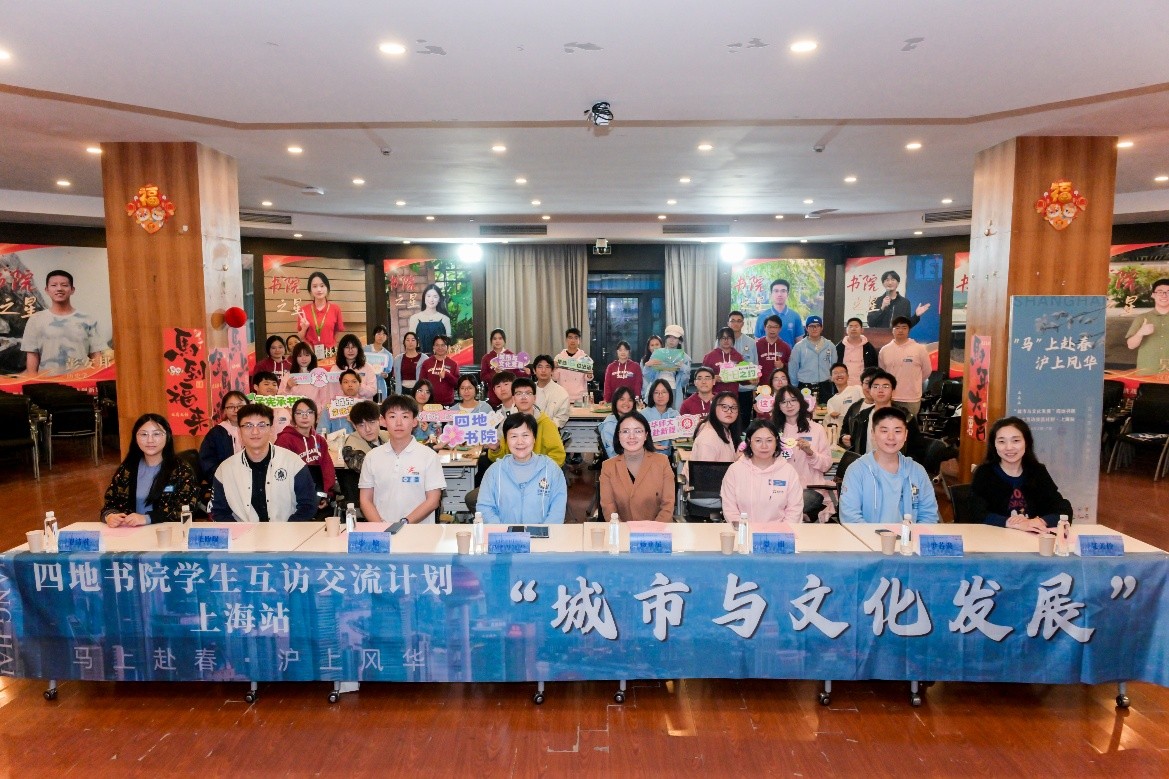
Group Photo from the Opening Ceremony
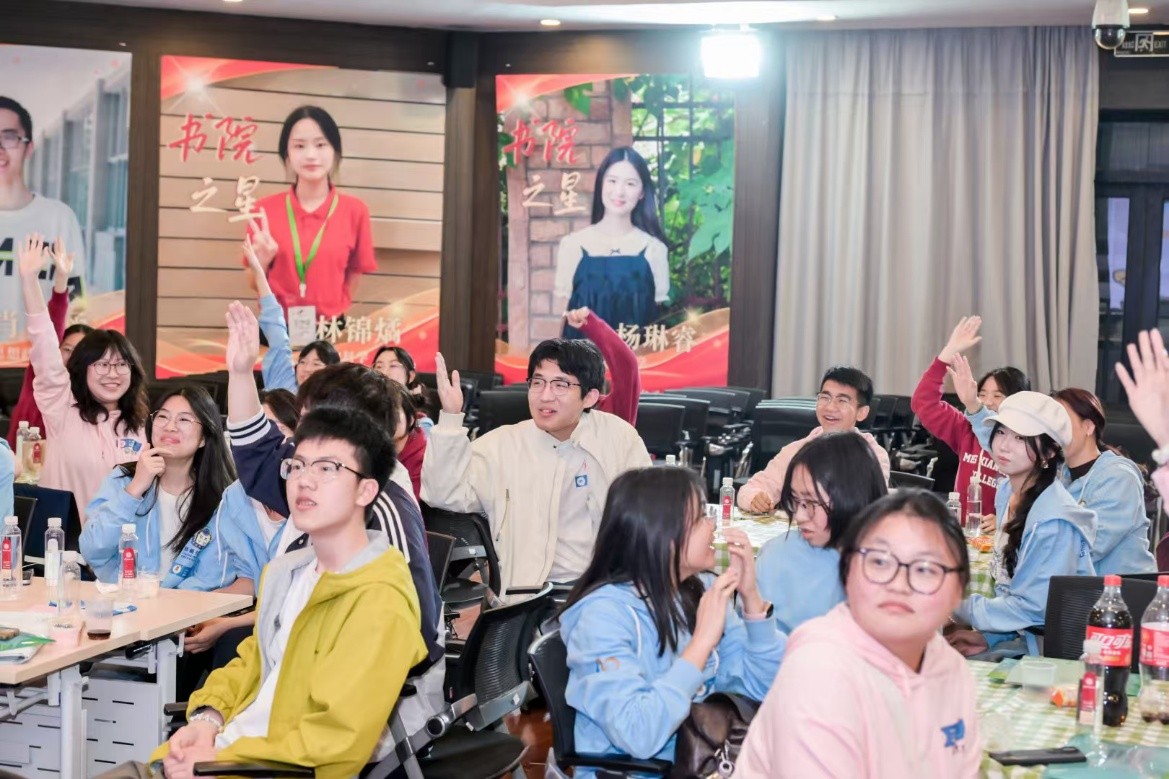
Ice-breaking Activities for Students from Four Residential Colleges
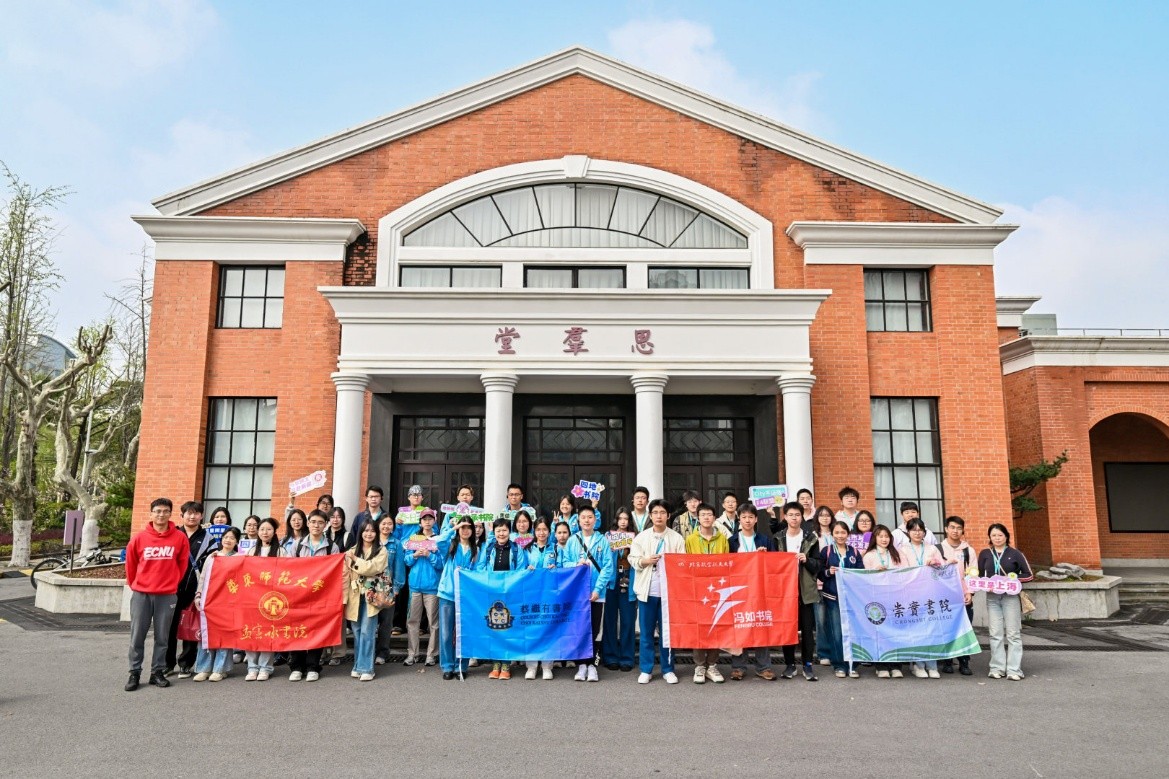
Visit to the East China Normal University History Museum
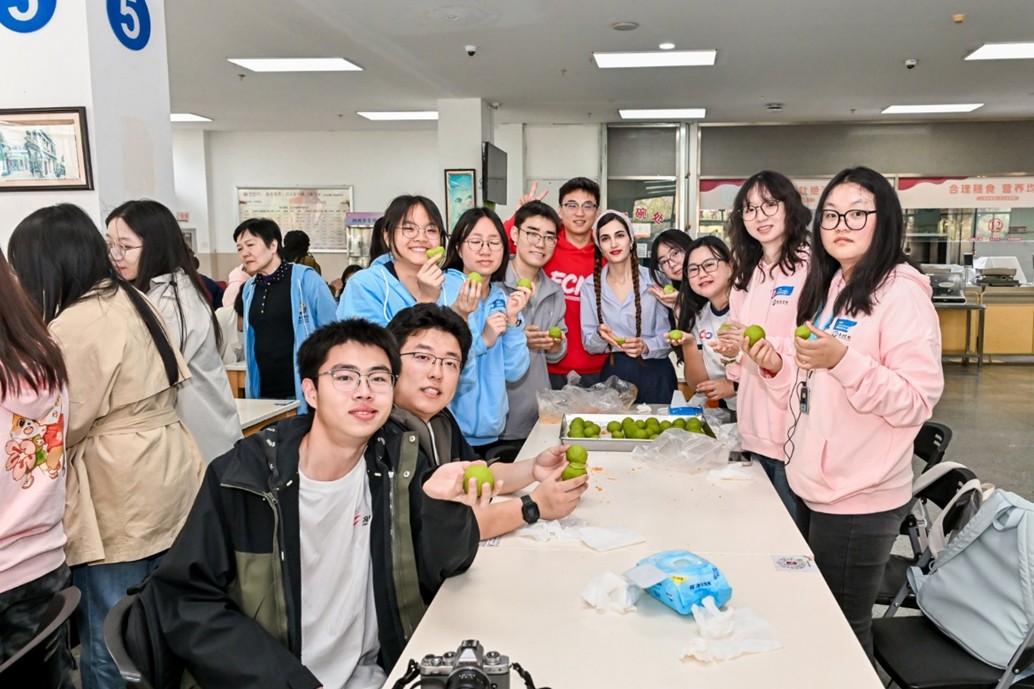
Qingtuan Workshop with International Students from the East China Normal University
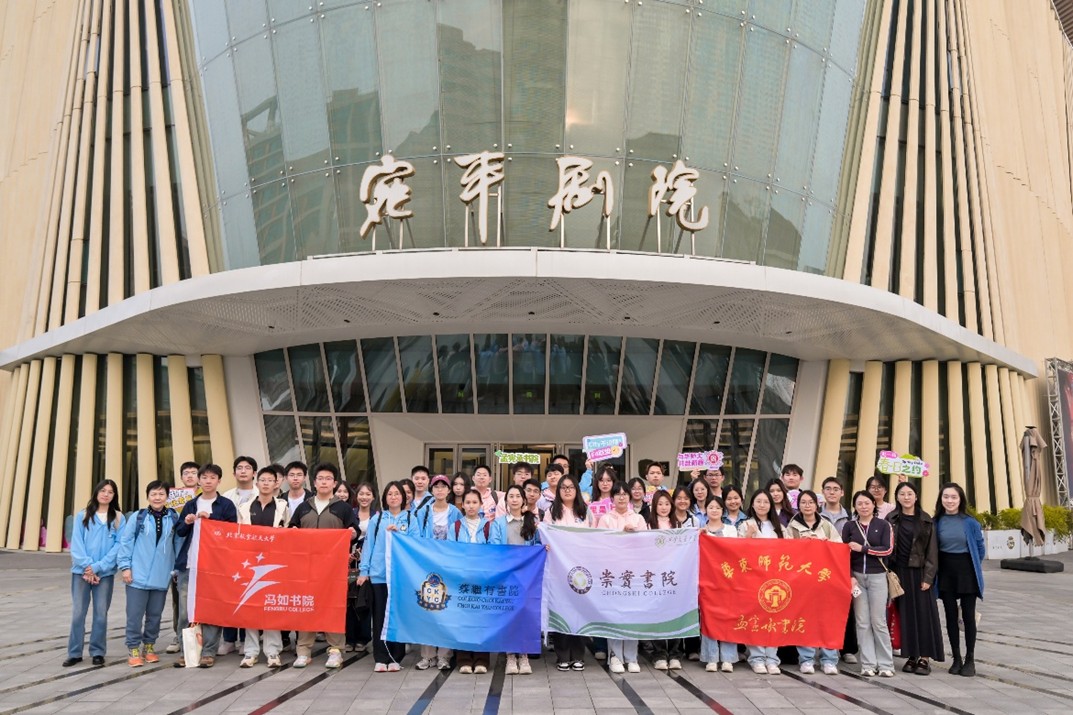
Visit to the Wanping Theater
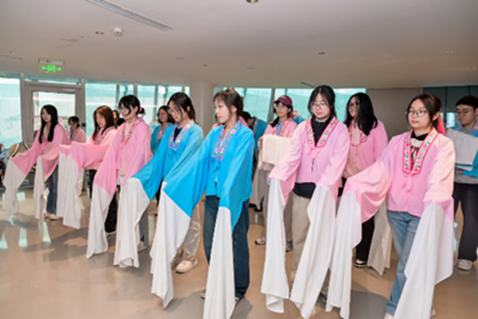
Traditional Chinese Opera Water Sleeve Dance Experience
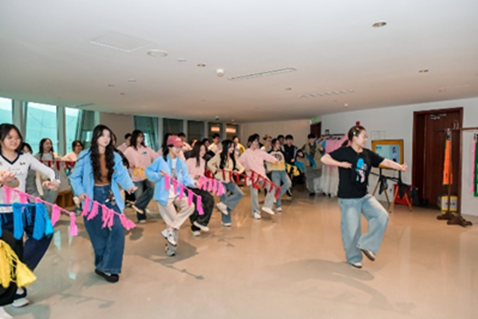
Traditional Chinese Opera Water Sleeve Dance Experience
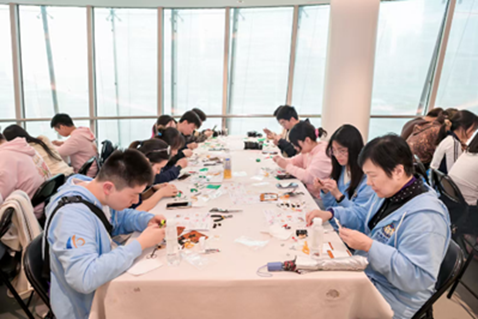
Chinese Chic Handicraft Workshop
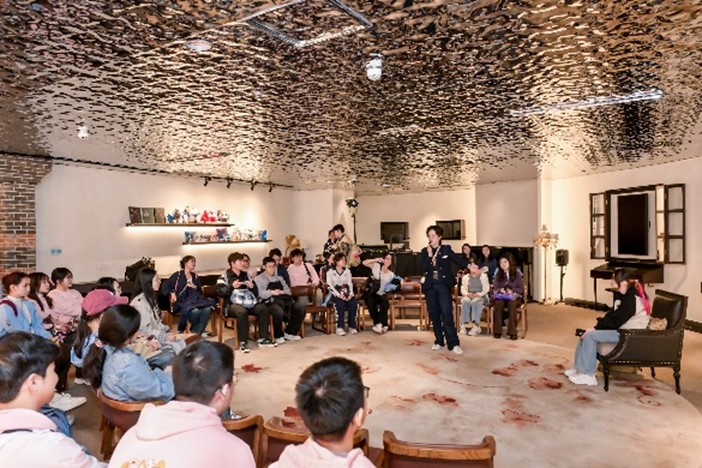
Immersive “Walking Theater” Program
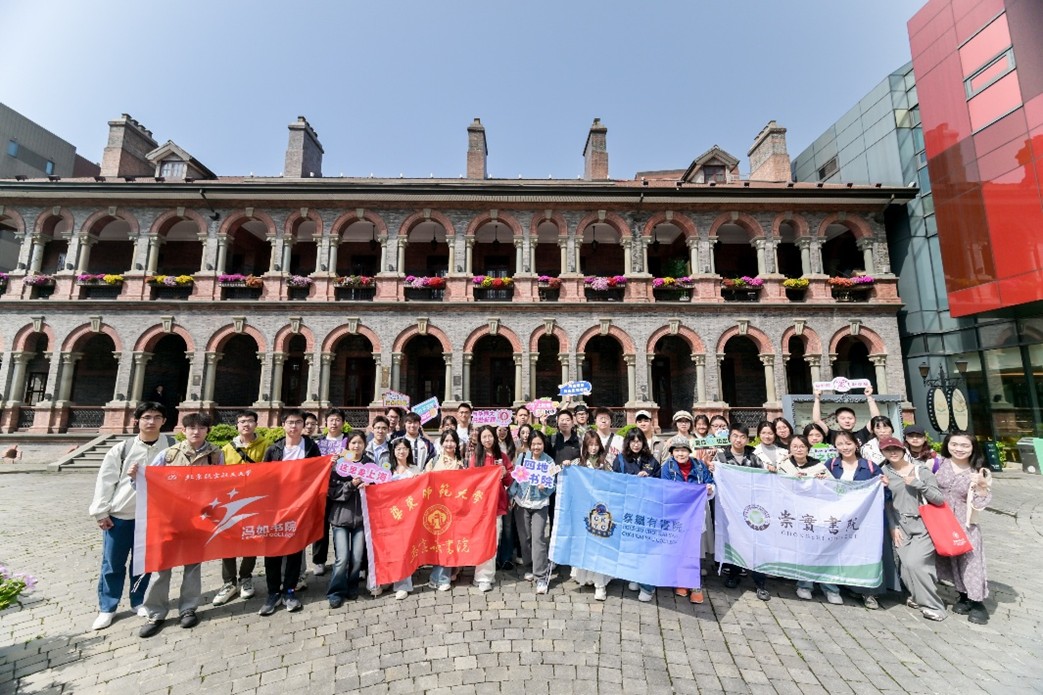
Visit to the Sinan Mansions
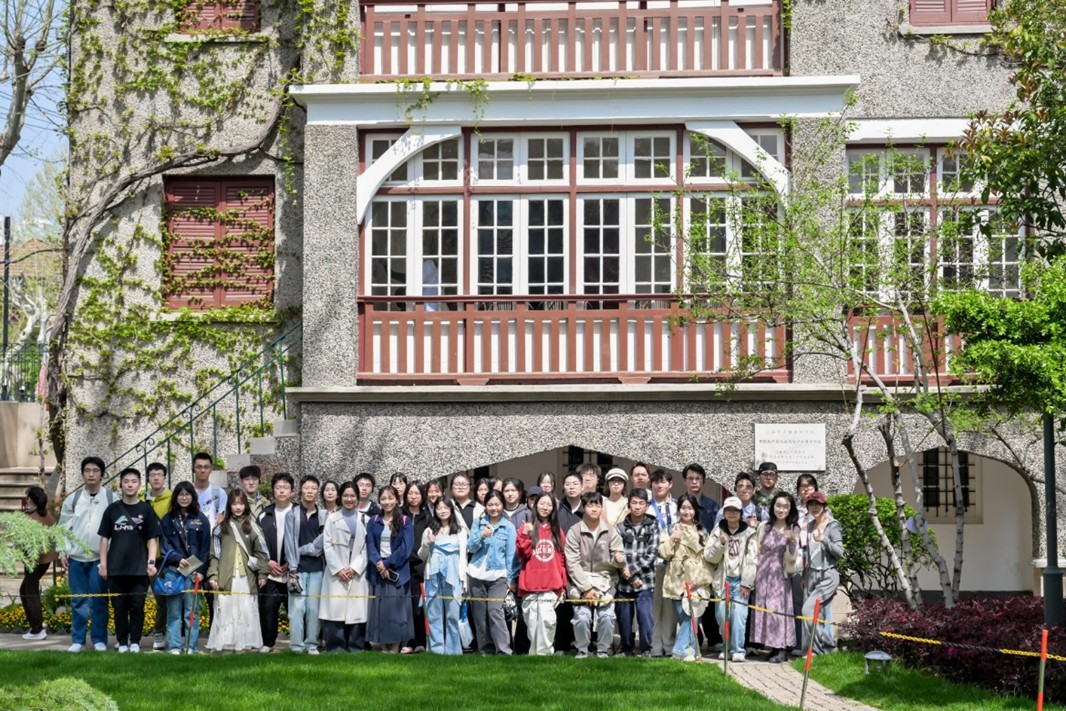
Visit to the Zhou Enlai’s Residence
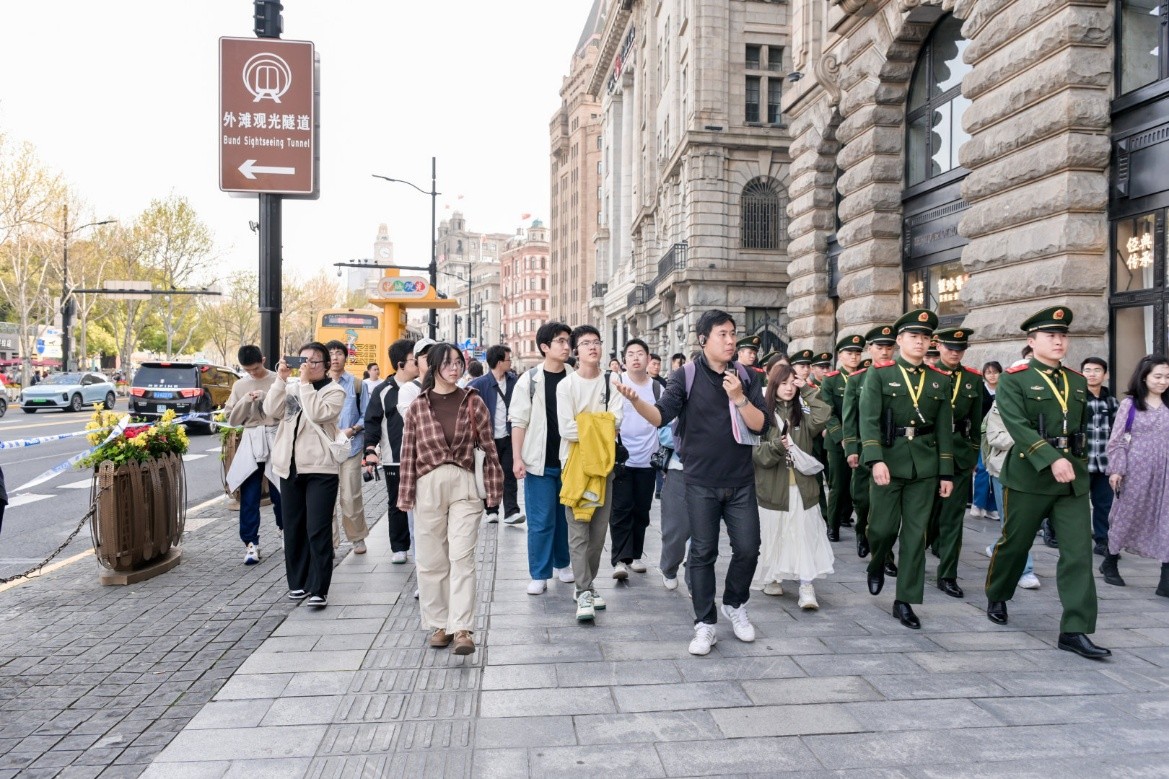
Visit to the Bund
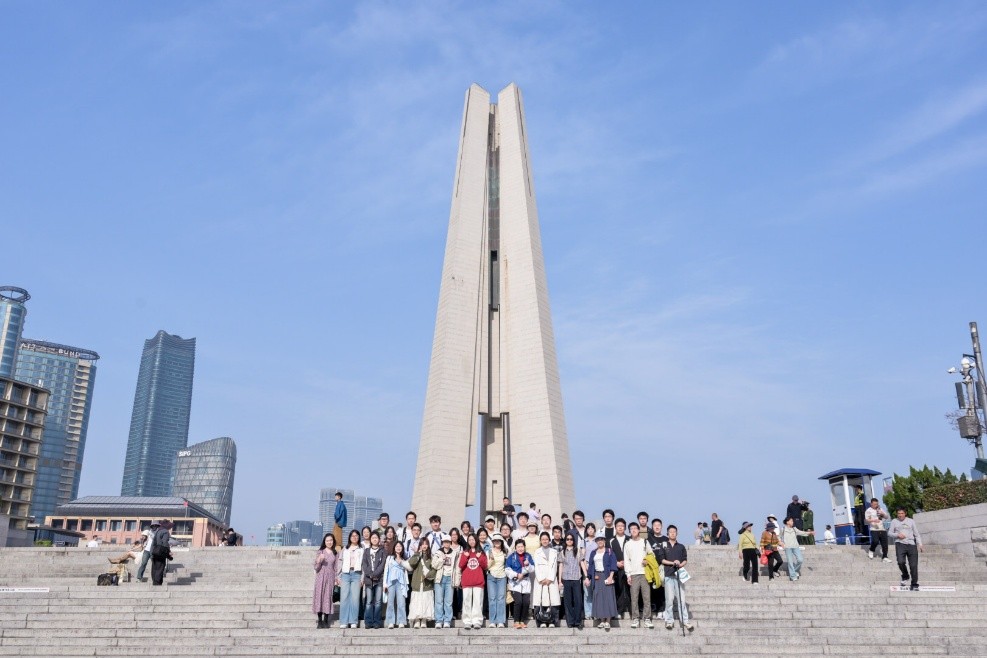
Group Photo in front of People’s Heroes Memorial Tower on the Bund
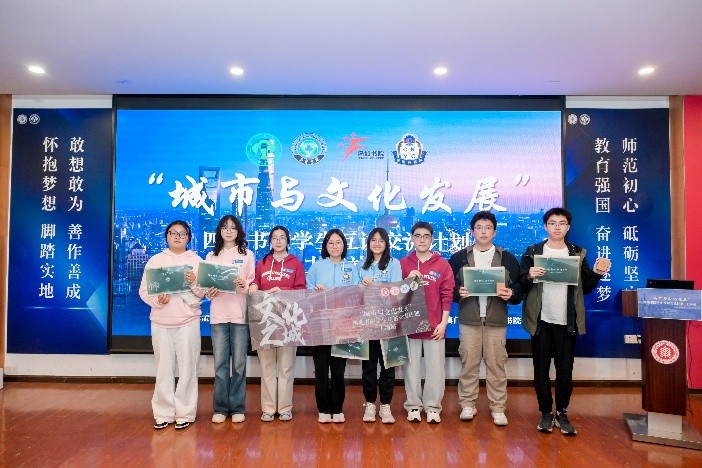
“City of Culture” Group
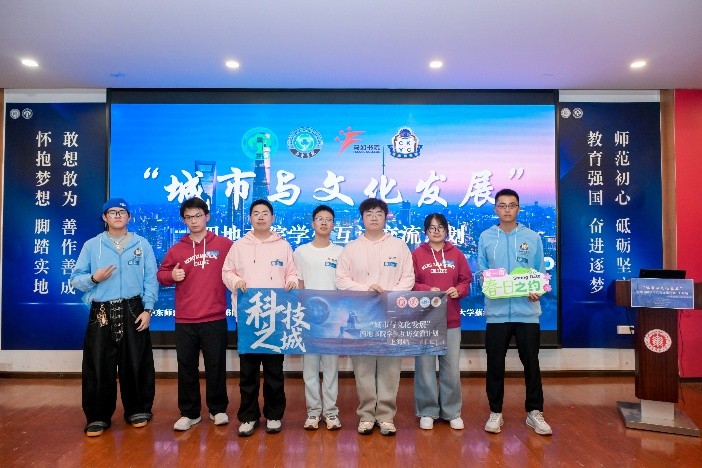
“City of Technology” Group
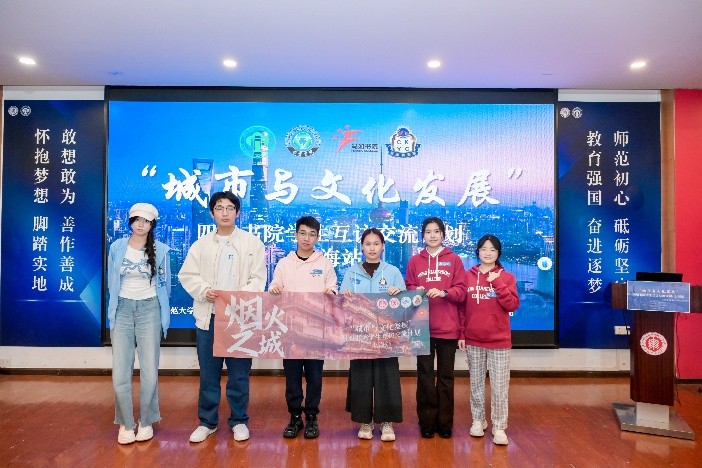
“City of Everyday Life” Group
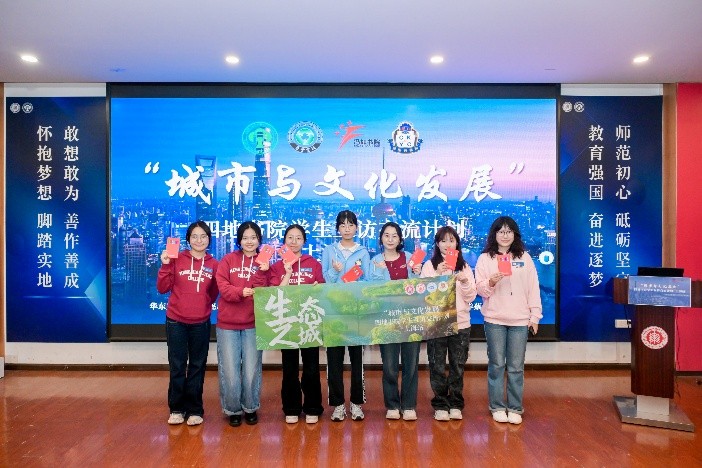
“City of Ecology” Group
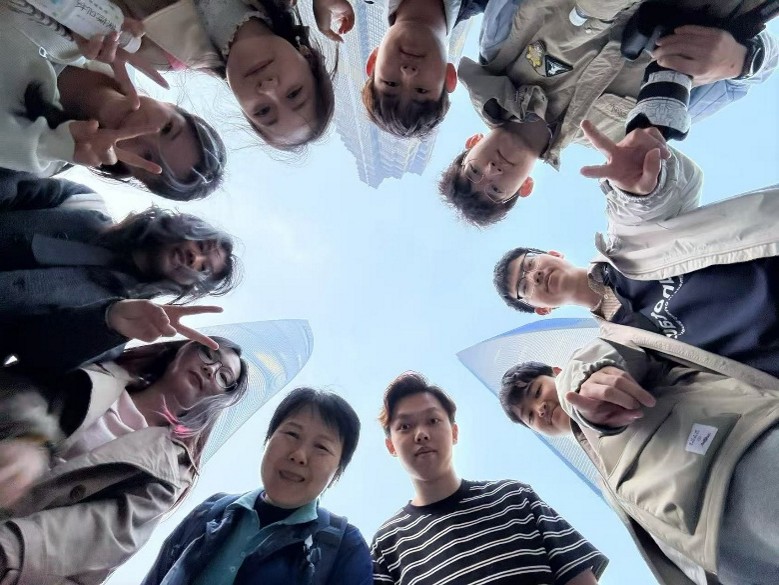
“City of Openness” Group
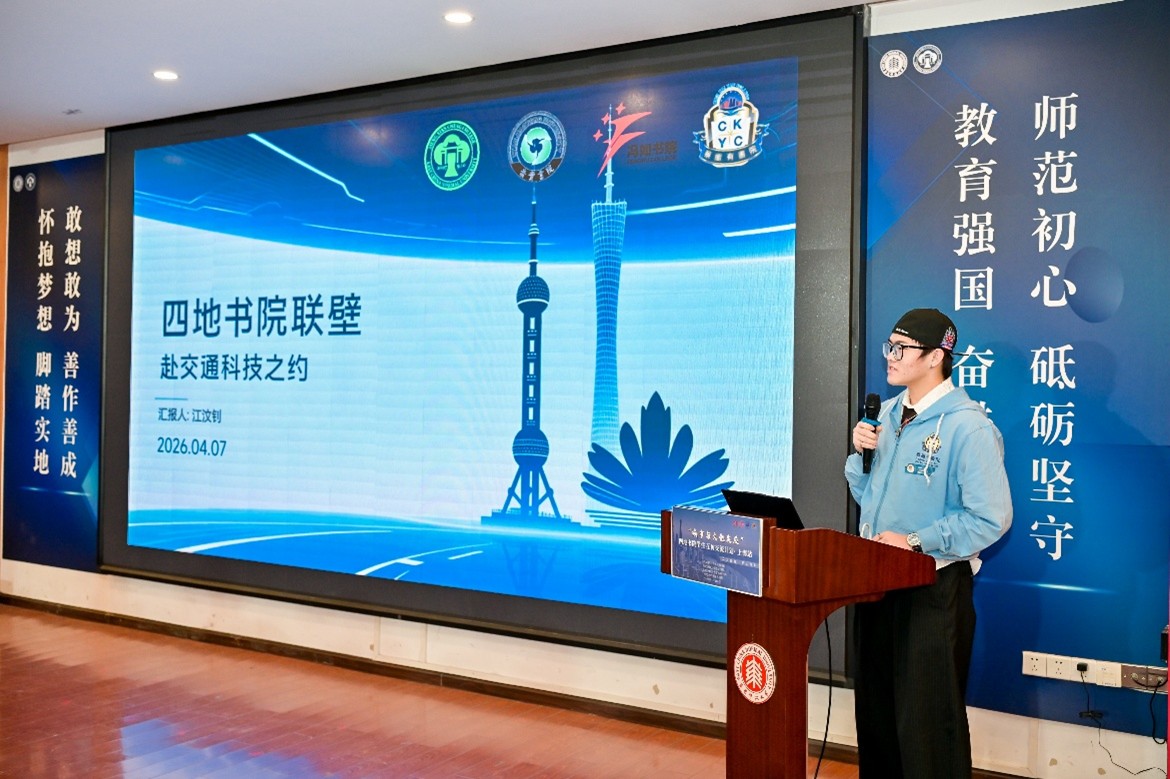
Student from Choi Kai Yau College shared his insights
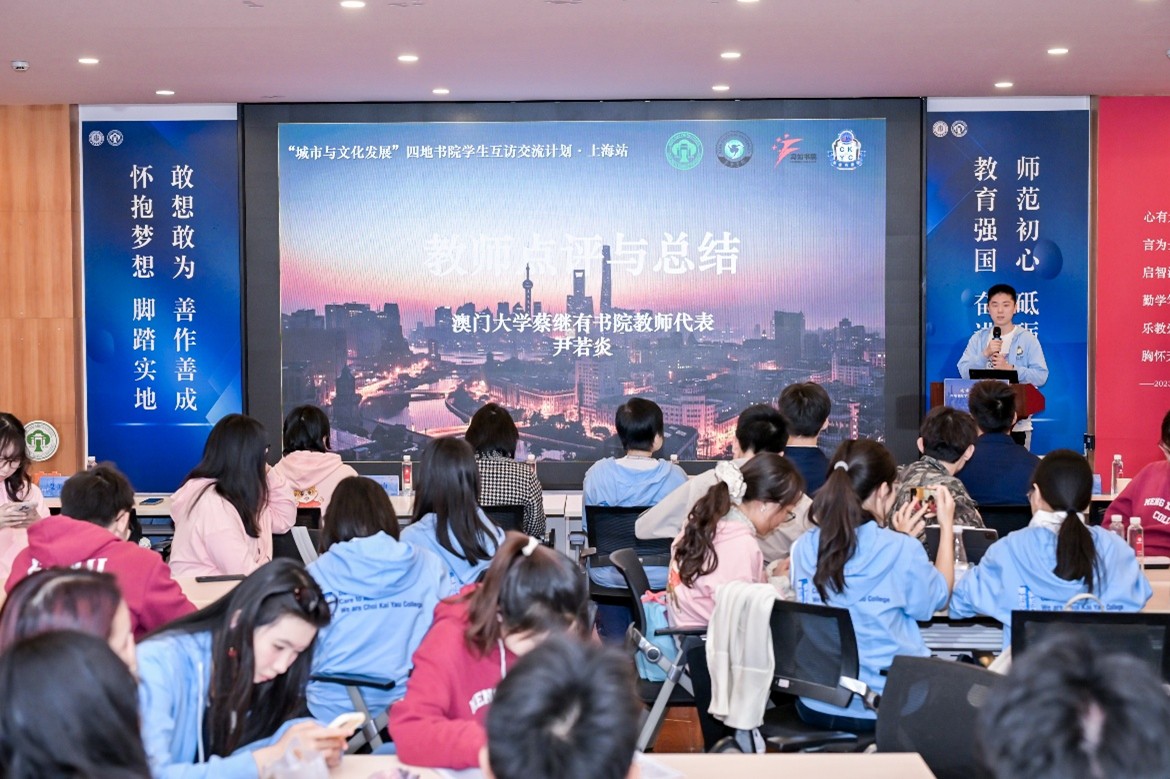
Yin Ruoyan, Resident Tutor at Choi Kai Yau College, delivered the concluding remarks
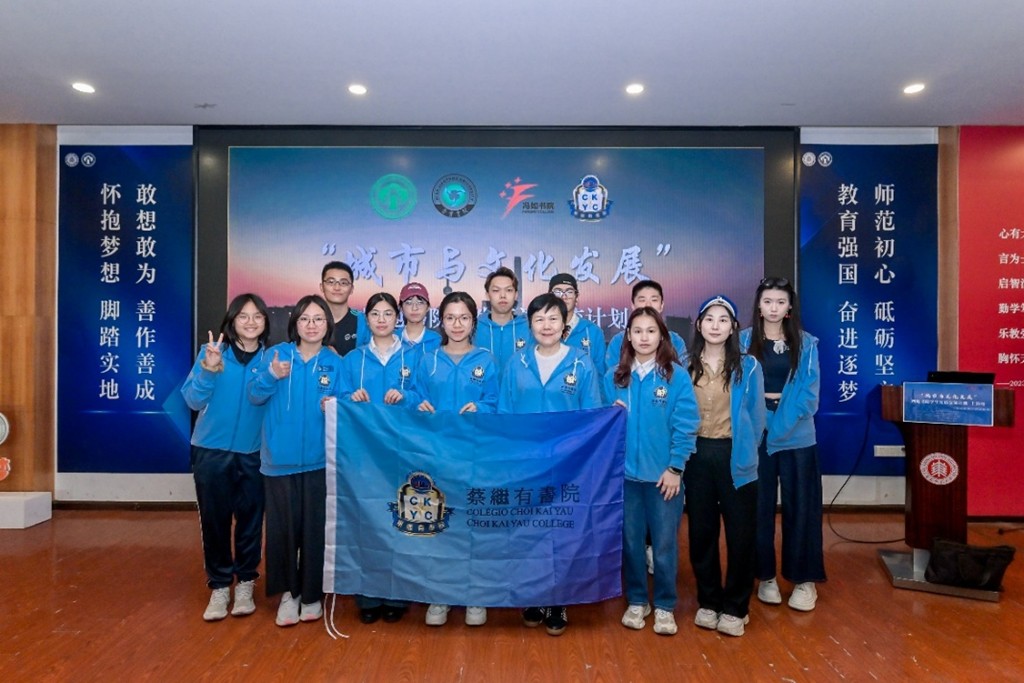
Group Photo of Representatives from Choi Kai Yau College